Next Chapter Videos: Downsizing & Later-Life Moves (Plain English)

YouTube player

No pressure. Quick questions welcome.

Serving Montgomery, Bucks & Philadelphia Counties

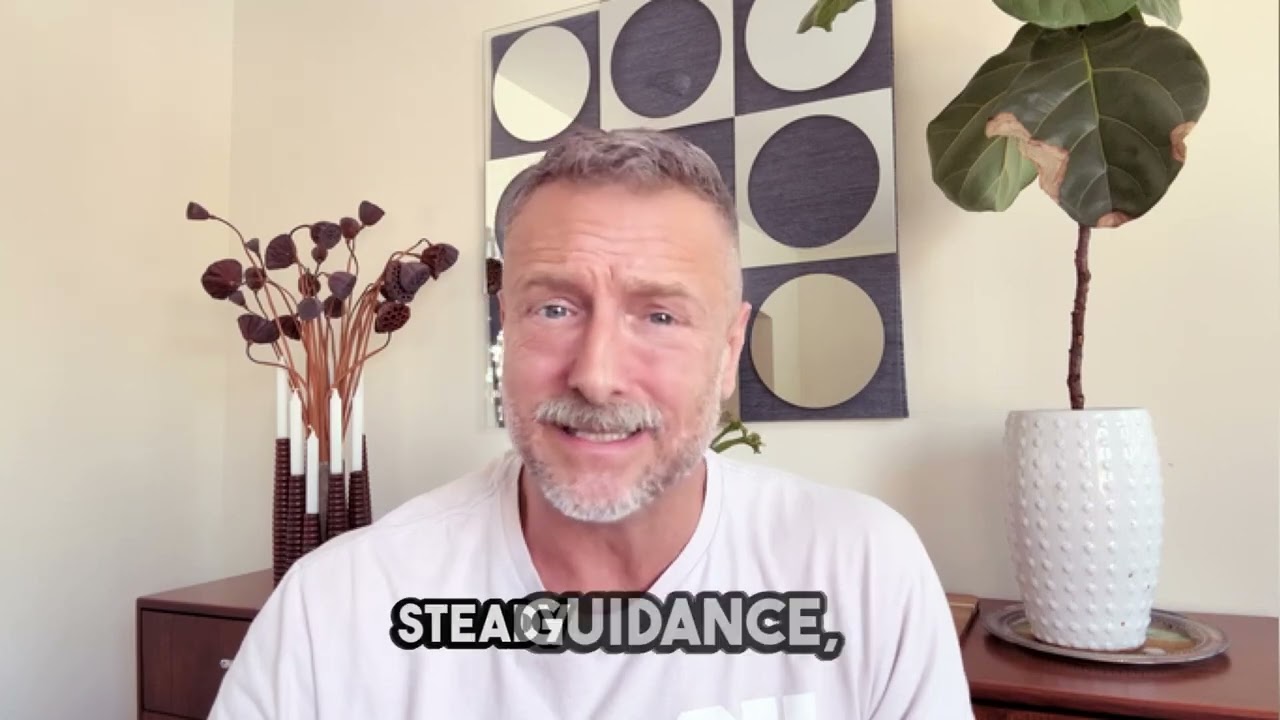
After years or decades in the same home, moving is about more than square footage. It’s about simplifying, preserving memories, and choosing what comes next with intention. I specialize in helping homeowners transition into the next chapter of life with clarity, patience, and steady guidance-without rushing decisions or adding stress.

WHO THIS IS FOR

You’re in the right place if:

  • The house feels like “too much” now
  • You’re thinking about downsizing, but don’t want to rush
  • You’re helping a parent and want a calm plan
  • You’re handling an estate home and need clarity
  • You want to understand the process without panic

HOW TO USE THESE VIDEOS

Most people don’t need a big meeting to start. They need 10 minutes of clarity.

Use this simple order:

  1. Watch one video in the category that matches your situation
  2. Write down two questions that come up
  3. Call or text me with the questions — that’s it

Quick questions are welcome. No pressure.

Video Library (organized by situation)

A) Downsizing & Next-Chapter Moves

Downsizing becomes stressful when people try to do everything at once. A gradual approach reduces emotional and physical strain.

Starting early allows homeowners to sort belongings thoughtfully and make better decisions about what comes next.

Educational only.

Families often feel pressured to renovate before selling.

In reality, basic preparation usually produces the best return:

  • Cleanliness
  • Safety repairs
  • Simple presentation

Over-improving rarely pays off.
A calm strategy protects both time and estate value.

Many homeowners wait until circumstances force a move. Health changes, job needs, or sudden family situations can push decisions into tight timelines.

Planning ahead gives homeowners control. Selling before urgency appears allows time to explore options, prepare the home thoughtfully, and make decisions without pressure.

The goal isn’t speed. It’s clarity.

Educational only. Not legal advice.

Watch More in the 55+ Next Chapter Series


B) Helping Aging Parents

Topics that fit here:

Starting a conversation about moving with your parents can feel daunting. It’s a delicate topic, often wrapped in emotions, memories, and a desire to protect independence. But with the right approach, it can be a conversation grounded in empathy and clarity.

Why This Conversation Feels Hard

Many adult children worry about seeming controlling or insensitive, while parents often fear losing autonomy or feeling pushed out of their homes. These emotions are natural. The key is to shift the conversation from a place of control to a place of support.

Start with Curiosity, Not Directives

Approach the discussion with genuine curiosity about your parents’ experiences. Ask open-ended questions:

  • “How are you feeling about the house these days?”
  • “What parts of living here are becoming more challenging?”
  • “Have you thought about what might make life easier or more enjoyable?”

These questions invite reflection and conversation, rather than putting anyone on the defensive.

Focus on Quality of Life

Frame the discussion around enhancing their quality of life, not just about moving. Talk about how different living arrangements could reduce stress, increase social connections, or improve daily comfort:

  • “Wouldn’t it be nice to have less home maintenance and more time for things you enjoy?”
  • “How would you feel about a place where there’s a community of people in a similar stage of life?”

Share Stories, Not Directives

Share stories or examples from others who have navigated similar transitions. This helps normalize the conversation:

  • “I spoke with a friend whose parents moved into a 55+ community, and they found a lot of joy in the social activities.”

Emphasize It’s a Process, Not a Decision

Make it clear that the conversation is the beginning of a process, not a sudden decision:

  • “We don’t have to decide anything today. Let’s just explore some options and see what feels right.”
  • “We can take our time to figure out what’s best.”

Listen and Validate

Most importantly, listen. Validate their feelings and concerns without immediately offering solutions. Sometimes, just being heard can make the idea of change less intimidating.

Final Thoughts

Approaching the conversation about moving with empathy, curiosity, and patience transforms a potentially difficult topic into a constructive dialogue. Remember, it’s about supporting your parents in finding the best quality of life, not making choices for them.

“This is one of the hardest parts of this whole process—especially for adult children.

How do you help aging parents without taking over?

Support doesn’t mean control. And silence doesn’t mean denial.

Often, parents are aware that something will need to change—they just don’t want to feel rushed or judged.

The healthiest conversations happen when information comes first, not decisions.

When everyone understands the options—timelines, costs, alternatives—the emotion settles down.

My role is usually to be the neutral third party who explains the process so families can make decisions without damaging relationships.”

Most people believe there are only two choices later in life:

Stay in your home forever. Or move into “care.”
That belief creates fear—because neither option feels quite right.
Independent living falls between assisted living and home care, and it’s one of the most misunderstood options in later-life housing.

Independent living is not medical care.

It is housing with convenience.

You still have your own private apartment.
You come and go as you please.
You live your own life.

What changes is the friction of daily life.

Instead of:

  • Cooking every meal
  • Managing home repairs
  • Shoveling, mowing, and maintaining
  • Feeling isolated

You gain:

  • Optional meals
  • Housekeeping
  • Maintenance
  • Built-in community

You remain independent.
For many people, staying home feels grounding. It’s familiar. It’s personal. It’s full of memory.

For others, staying home begins to feel heavy:

  • Too much upkeep
  • Too quiet
  • Too isolating
  • Too much reliance on family

Neither path is better.

The real question is not: “Which is right?”
It’s: “How do I want my days to feel?”

Independent living is not a last stop.
It’s not a failure.
It’s not giving up.

It’s simply another way to live.

Exploring it does not mean you’re leaving.
Learning is not committing.
Planning is not rushing.

Understanding this option early keeps choices wide and stress low.

Clarity gives you control.

Many homeowners wait until circumstances force a move. Health changes, job needs, or sudden family situations can push decisions into tight timelines.

Planning ahead gives homeowners control. Selling before urgency arises allows time to explore options, thoughtfully prepare the home, and make decisions without pressure.

The goal isn’t speed. It’s clarity.

Educational only. Not legal advice.


People ask me this all the time:
‘Is it too early to talk about moving?’
Almost never.
Talking is not committing.
Planning is not panic.
The stress comes from waiting until decisions feel urgent.
Early conversations give you control—whether you move in six months, three years, or not at all.

Clarity is useful even if nothing changes.


C) Estate & Executor Mini-Series

Video Topics that fit here:


D) Selling Process, Contracts, Inspections & Negotiations

Understanding The PA Agreement of Sale


Not ready to talk yet?
Download the Downsizing Checklist (PDF) and start calmly.

WHAT HAPPENS IF YOU REACH OUT

If you call or text, we keep it simple. You can ask:

  • “What would you do first in my situation?”
  • “Are we too early / too late to start planning?”
  • “Is it worth fixing anything before selling?”
  • “How do families do this without getting overwhelmed?”

INFORMATION-ONLY DISCLAIMER (VIDEO USE) Information Only
These videos are for general educational purposes only. Real estate rules, contracts, and timelines vary by situation and location. Watching a video isn’t a substitute for professional advice. If you want guidance for your specific situation, call or text Jess at 267-978-3391.